Showing posts with label Breaking. Show all posts

Monday, 24 June 2024

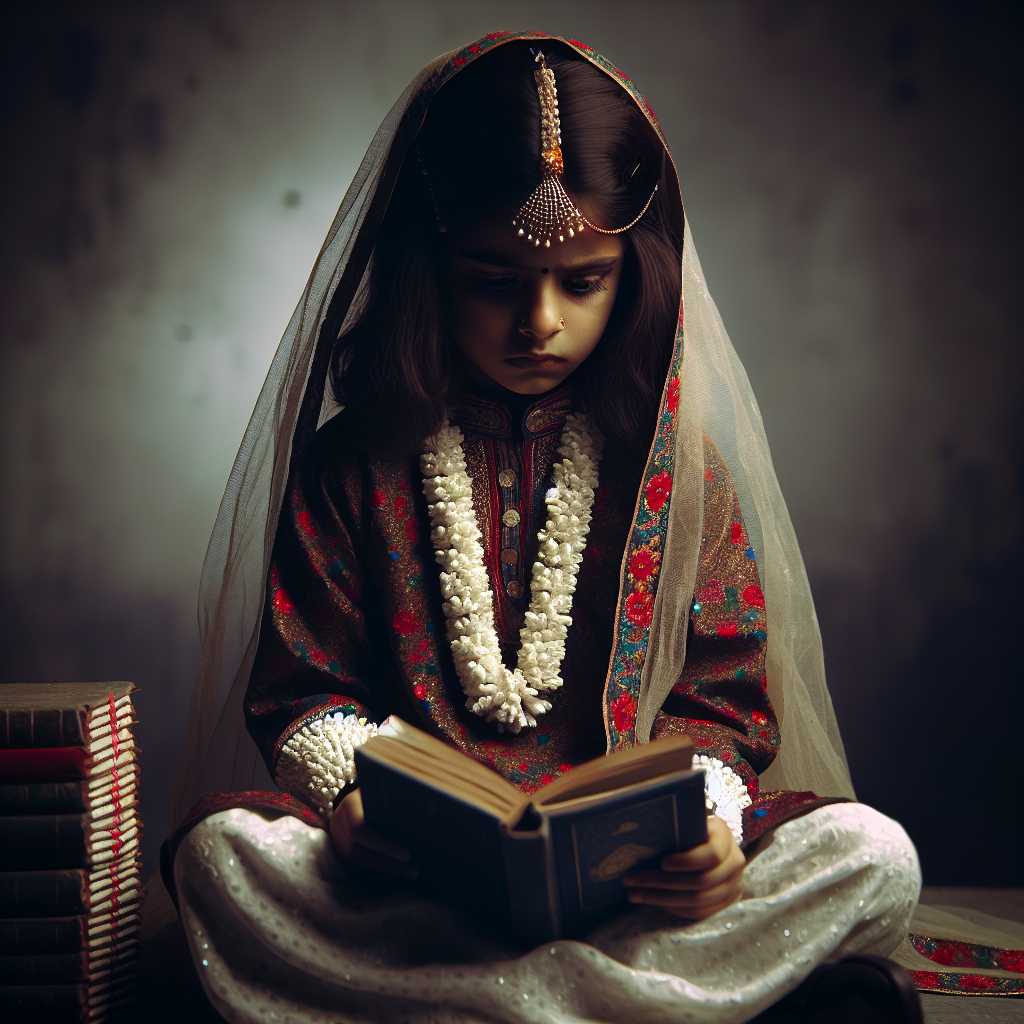
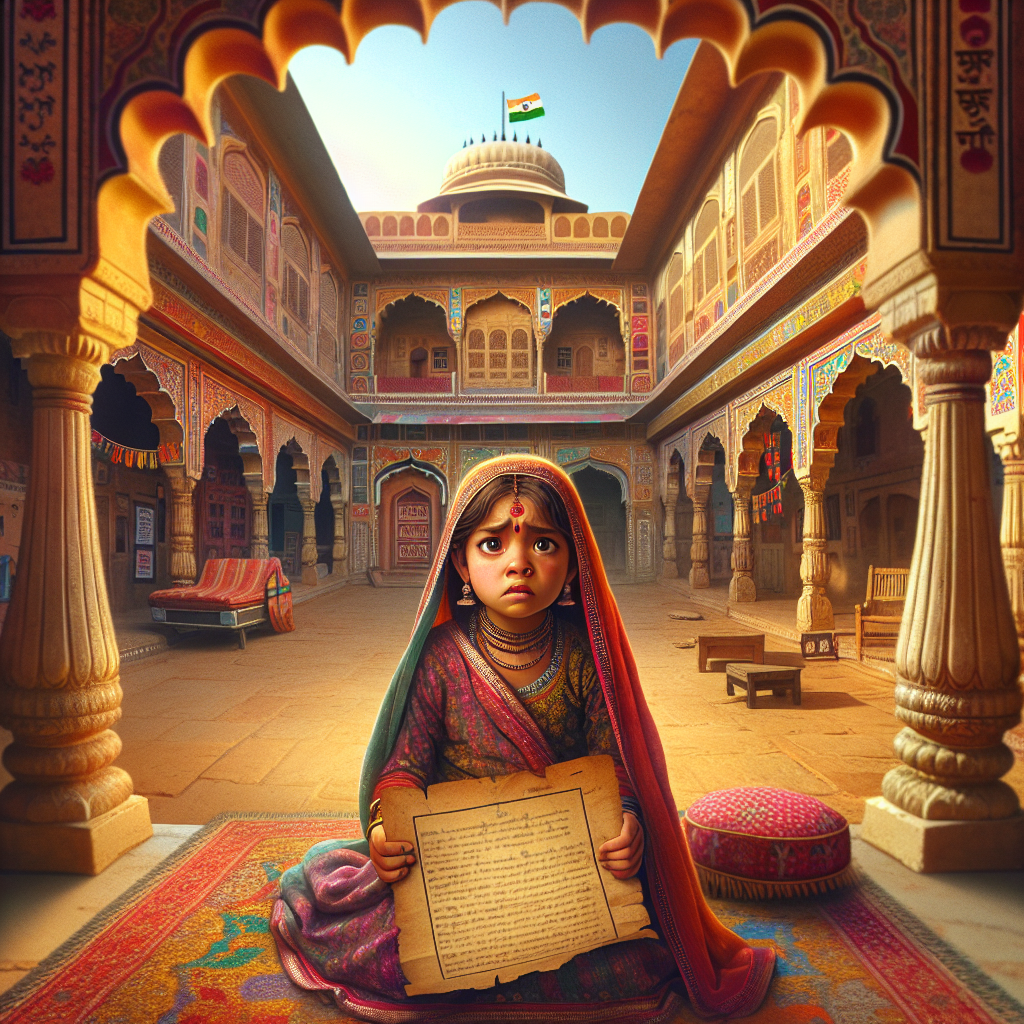
Breaking the Cycle: Efforts to End Child Marriage in Rajasthan

Breaking the Cycle: Efforts to End Child Marriage in Rajasthan

Child marriage is a prevalent issue in Rajasthan, with statistics showing that nearly 35% of girls are married before the age of 18. This harmful practice not only deprives young girls of their childhood but also has serious long-term consequences on their health and well-being.

One of the main reasons behind child marriage in Rajasthan is the deeply rooted cultural beliefs and traditions that prioritize early marriage for girls. Families often see early marriage as a way to ensure their daughter's safety and secure her future. However, the reality is far from this belief, as child brides are more likely to experience domestic violence, have limited access to education and healthcare, and face higher risks of maternal mortality.

Another contributing factor to child marriage in Rajasthan is the prevalent poverty in many rural areas. Families in poverty-stricken communities often see marrying off their daughters at a young age as a way to reduce their financial burden and secure a bride price. However, this only perpetuates the cycle of poverty and continues the cycle of early marriage for future generations.

Efforts have been made to address the issue of child marriage in Rajasthan, with laws in place that set the legal age of marriage at 18 for girls and 21 for boys. However, implementation and enforcement of these laws remain a challenge, particularly in rural and remote areas where traditional customs hold strong.

Non-governmental organizations and grassroots activists have also been working tirelessly to raise awareness about the harmful effects of child marriage and provide support to at-risk girls. These efforts include setting up education programs, vocational training, and community-led initiatives to empower girls and their families to make informed choices about their future.

It is crucial for society as a whole to come together to end the practice of child marriage in Rajasthan. By challenging traditional norms, providing access to education and economic opportunities for girls, and strengthening enforcement of existing laws, we can create a safer and brighter future for the next generation. The time to act is now, for the sake of the young girls whose lives are at stake. To support the cause of child marriage, support the

Nada Foundation

Nada Alahdal A human rights activist to advocate for the issue of child marriage, and head of the

Nada Foundation

for the Protection of Girls https://nadaalahdal.com/2024/06/25/breaking-the-cycle-efforts-to-end-child-marriage-in-rajasthan.html?feed_id=647&_unique_id=667a55e2a04e9

Wednesday, 12 June 2024

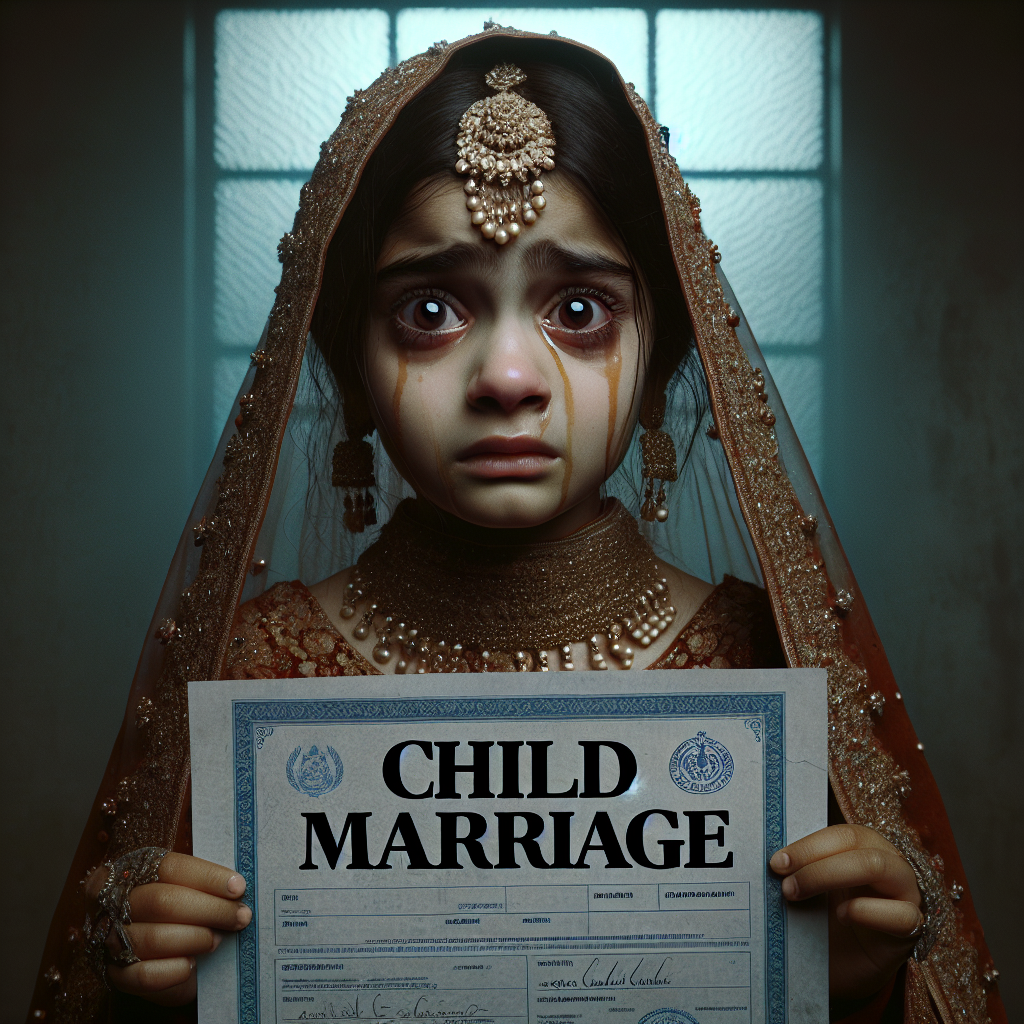
Breaking the Cycle: How Communities Are Fighting Against Child Marriage

Breaking the Cycle: How Communities Are Fighting Against Child Marriage

Child marriage continues to be a pressing issue that plagues many societies around the world. It is a violation of human rights and a major obstacle to the development of individuals and communities. Despite efforts to eradicate this harmful practice, millions of girls are still forced into marriage before they reach adulthood.

One of the main drivers of child marriage is poverty. Families living in poverty often see their daughters as financial burdens and marrying them off at a young age is seen as a way to alleviate economic hardship. In some communities, girls are married off in exchange for a bride price, which provides the family with much-needed resources.

Cultural and traditional beliefs also play a significant role in perpetuating child marriage. In some societies, it is seen as a customary practice to marry off girls at a young age to preserve the family's honor and ensure they are taken care of by a husband. This highlights the importance of addressing deep-rooted beliefs and norms that support child marriage.

Child marriage has devastating consequences for girls. They are often taken out of school, forced to drop out, and denied the opportunity to reach their full potential. Early marriage also exposes girls to higher risks of domestic violence, early pregnancy, and pregnancy-related complications, putting their health and wellbeing at risk.

Efforts to end child marriage require a multi-faceted approach that addresses the root causes of the issue. This includes empowering girls through education and economic opportunities, raising awareness about the harmful effects of child marriage, and working with communities to change attitudes and norms surrounding early marriage.

Governments, civil society organizations, and individuals all have a role to play in ending child marriage. By working together and taking concrete actions, we can create a world where all girls are able to grow up in a safe and supportive environment, free from the shackles of early marriage. The time to act is now to ensure a better future for the next generation. To support the cause of child marriage, support the

Nada Foundation

Nada Alahdal A human rights activist to advocate for the issue of child marriage, and head of the

Nada Foundation

for the Protection of Girls https://nadaalahdal.com/2024/06/12/breaking-the-cycle-how-communities-are-fighting-against-child-marriage.html?feed_id=569&_unique_id=6669d866a7c72

Monday, 10 June 2024

Breaking the Cycle: Addressing Child Marriage in Sudan

Breaking the Cycle: Addressing Child Marriage in Sudan

Child marriage is a pervasive issue in Sudan, affecting countless young girls in the country. Despite legal restrictions, the practice continues to persist due to a variety of cultural, social, and economic factors.

In Sudan, it is not uncommon for girls as young as 10 years old to be married off to much older men. This not only robs these young girls of their childhood but also exposes them to a range of health risks. Child brides are more likely to experience complications during pregnancy and childbirth, as their bodies may not be fully developed to handle such events.

Furthermore, child marriage often leads to the discontinuation of education for these girls. Many are forced to drop out of school in order to take on the responsibilities of a wife and mother. This perpetuates a cycle of poverty and illiteracy, as these girls are unable to achieve their full potential and contribute to society in a meaningful way.

Efforts have been made to combat child marriage in Sudan, with the government enacting laws to raise the legal age of marriage to 18. However, enforcement of these laws is lax, and many communities still adhere to traditional practices that support child marriage.

Education and awareness are key in addressing this issue. By empowering young girls with knowledge and skills, they are better equipped to advocate for their rights and resist pressure to enter into early marriages. Additionally, engaging with local leaders, religious scholars, and community members is crucial in shifting societal norms and attitudes towards child marriage.

It is imperative that we continue to work towards ending child marriage in Sudan and around the world. Every girl deserves the right to a childhood, an education, and the opportunity to thrive. Together, we can create a future where child marriage is no longer a reality for young girls. To support the cause of child marriage, support the

Nada Foundation

Nada Alahdal A human rights activist to advocate for the issue of child marriage, and head of the

Nada Foundation

for the Protection of Girls https://nadaalahdal.com/2024/06/10/breaking-the-cycle-addressing-child-marriage-in-sudan.html?feed_id=556&_unique_id=6667189383d06

Tuesday, 4 June 2024

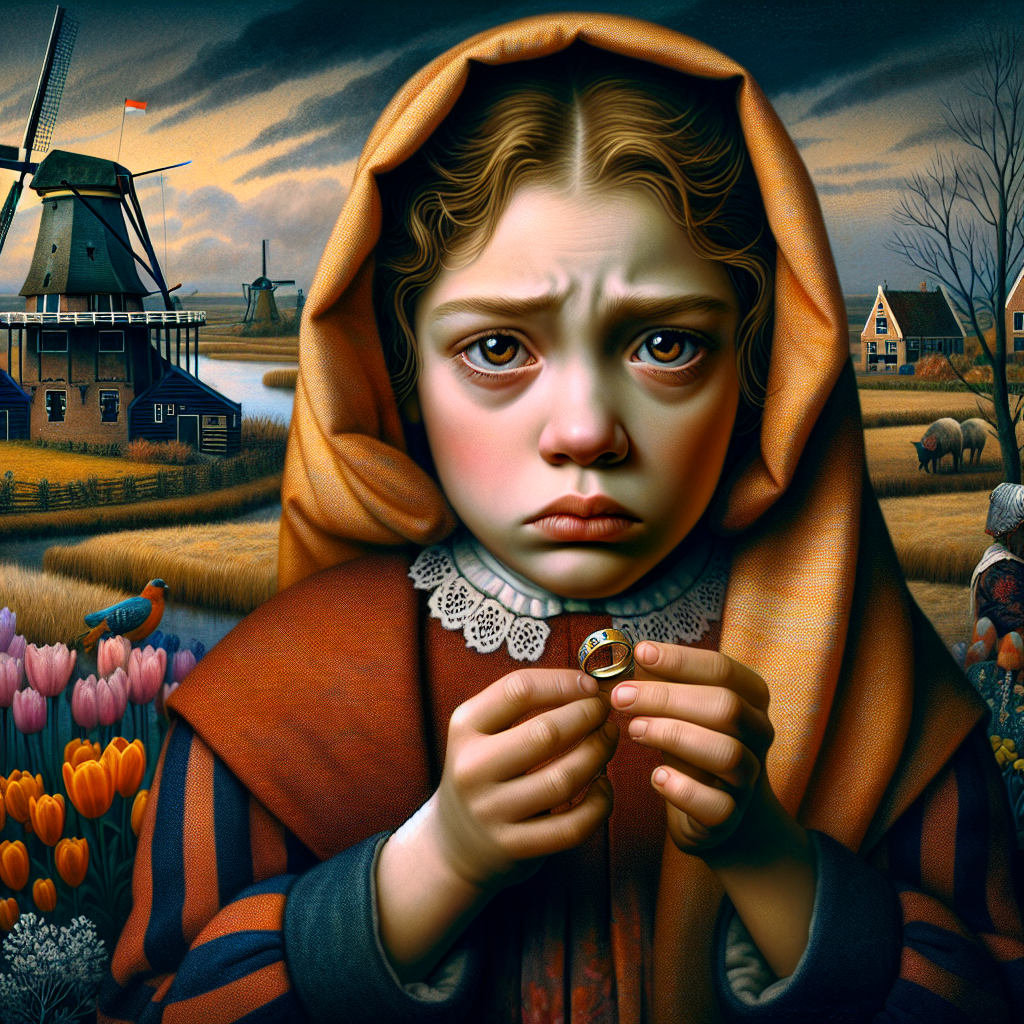
Breaking the Cycle: How the Netherlands is Tackling Child Marriage

Breaking the Cycle: How the Netherlands is Tackling Child Marriage

Child marriage remains a troubling issue in the Netherlands despite efforts to combat it. The practice of marrying off young girls to older men is a violation of human rights and has serious consequences for the individuals involved.

In the Netherlands, the legal age of marriage is 18, with exceptions made for those aged 16 or 17 if they have the consent of their parents and a judge. However, child marriage still occurs within certain communities due to cultural and religious beliefs that prioritize tradition over the well-being of the child.

The impact of child marriage can be devastating. Young girls forced into marriage are often deprived of their education, health, and autonomy. They are at a higher risk of experiencing domestic violence, early pregnancy, and mental health issues. These effects can have long-lasting consequences on their lives and future prospects.

Efforts to address child marriage in the Netherlands have been met with challenges. Many cases go unreported due to fear of stigma or reprisal within the community. Furthermore, there is a lack of awareness and understanding about the issue among the general public, making it difficult to identify and support those at risk.

It is crucial for the government, civil society organizations, and communities to work together to end child marriage in the Netherlands. This includes implementing stronger laws and policies to protect vulnerable individuals, providing support services for those at risk, and raising awareness about the harmful effects of the practice.

By addressing the root causes of child marriage and ensuring that all individuals have access to education, healthcare, and opportunities, we can create a society where every child is able to thrive and reach their full potential. Ending child marriage is not just a moral imperative – it is a human rights issue that requires urgent action and collective effort. To support the cause of child marriage, support the

Nada Foundation

Nada Alahdal A human rights activist to advocate for the issue of child marriage, and head of the

Nada Foundation

for the Protection of Girls https://nadaalahdal.com/2024/06/04/breaking-the-cycle-how-the-netherlands-is-tackling-child-marriage.html?feed_id=517&_unique_id=665eda703abff

Sunday, 2 June 2024

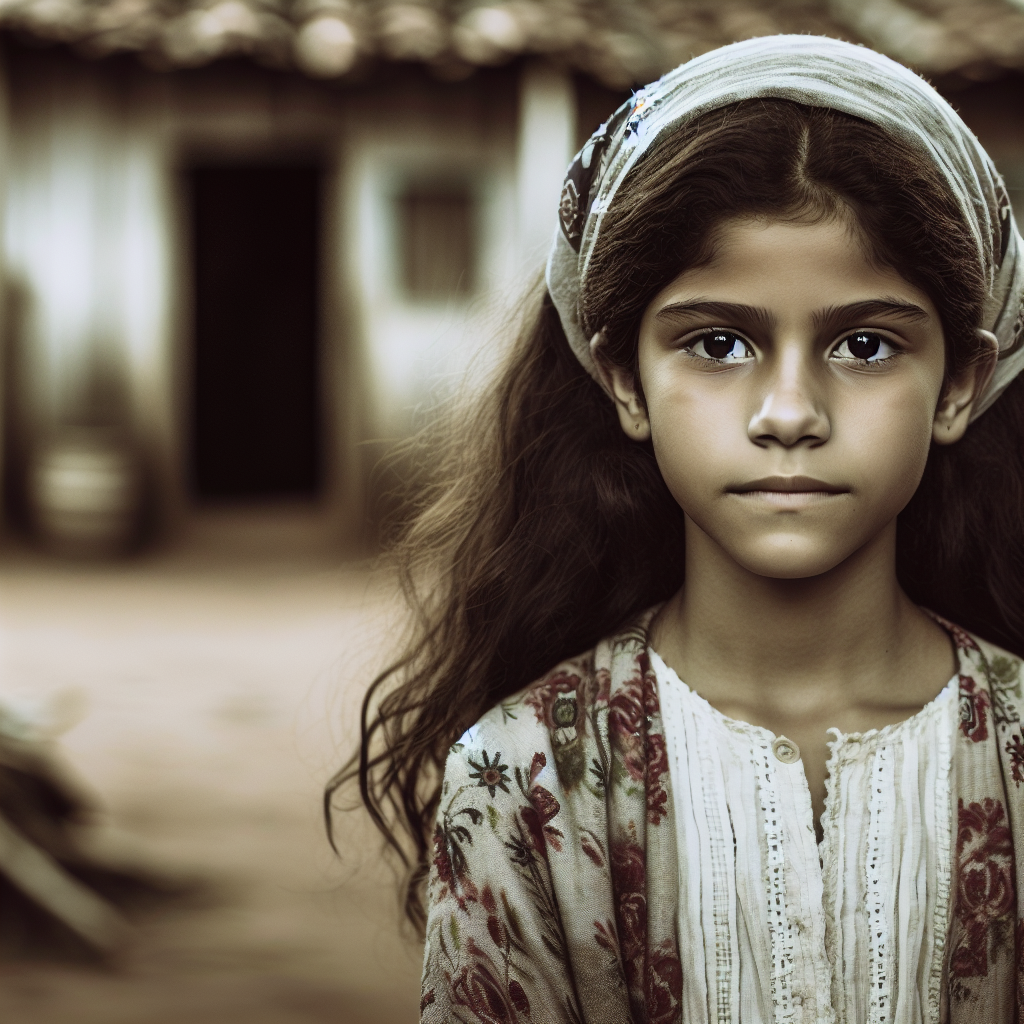
Breaking the Cycle: How Brazil is Tackling Child Marriage

Breaking the Cycle: How Brazil is Tackling Child Marriage

Child marriage in Brazil is a pervasive issue that continues to affect countless young girls across the country. This harmful practice, where children under the age of 18 are married off to older individuals, violates their rights and puts them at risk of physical, emotional, and psychological harm.

In Brazil, child marriage is most prevalent in rural areas and among marginalized communities. Poverty, lack of education, and traditional beliefs are often cited as reasons for this practice to persist. Girls who are forced into marriage at a young age are deprived of their childhood and are often unable to continue their education or pursue their dreams.

Many of these child marriages are arranged by family members without the consent of the girls involved. These girls are often married off to much older men who may mistreat them and subject them to violence and abuse. The consequences of child marriage can be devastating, leading to early pregnancy, maternal mortality, and a greater likelihood of poverty.

Efforts have been made in Brazil to combat child marriage, including raising the legal age of marriage to 18 and implementing programs to educate communities about the harmful effects of this practice. However, more needs to be done to create lasting change and protect the rights of vulnerable children.

It is crucial for government agencies, NGOs, and the community to work together to raise awareness about the dangers of child marriage and provide support for victims. By empowering young girls, providing them with education, and creating opportunities for their future, we can help break the cycle of child marriage and create a better future for all children in Brazil. Together, we can work towards a society where every child is free to grow, learn, and thrive without the threat of early marriage hanging over their heads. To support the cause of child marriage, support the

Nada Foundation

Nada Alahdal A human rights activist to advocate for the issue of child marriage, and head of the

Nada Foundation

for the Protection of Girls https://nadaalahdal.com/2024/06/02/breaking-the-cycle-how-brazil-is-tackling-child-marriage.html?feed_id=504&_unique_id=665c1b342069e

Sunday, 5 May 2024

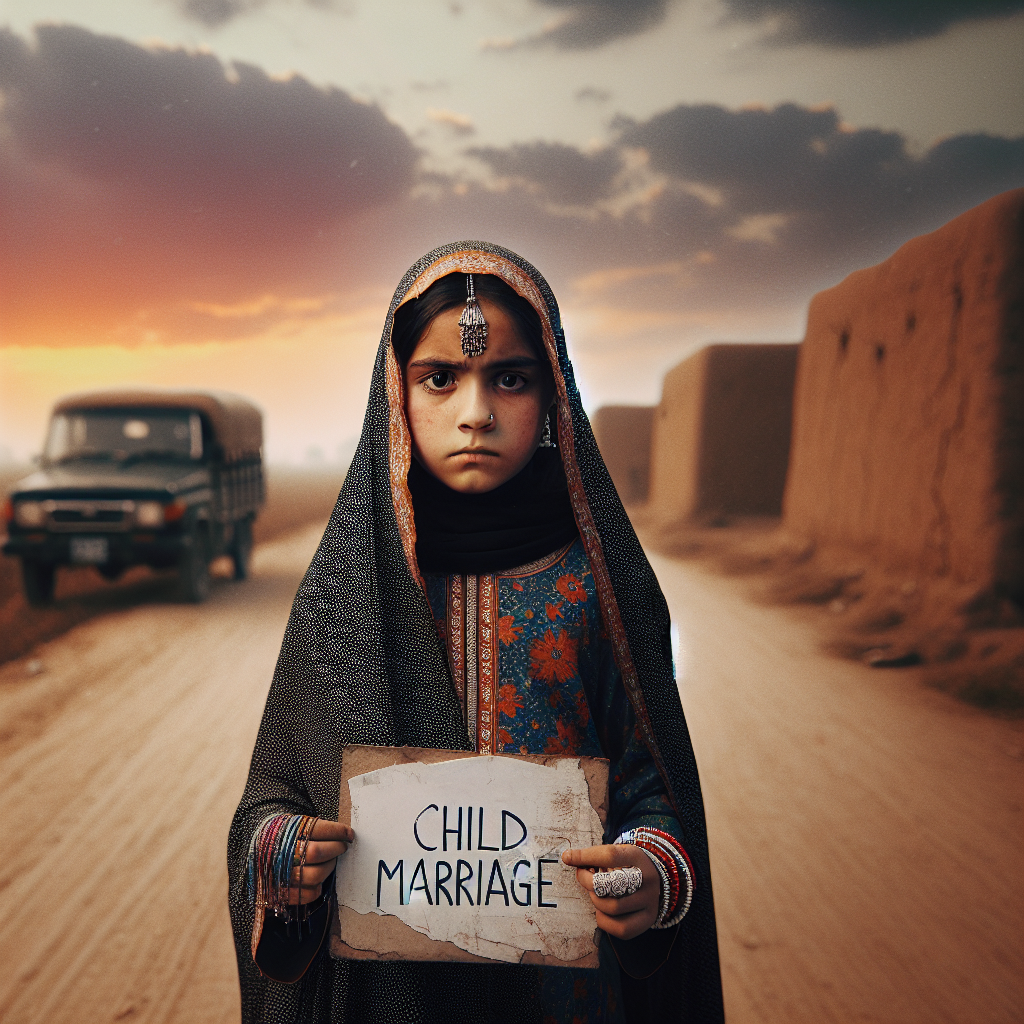
Child Marriage Crisis: Breaking the Cycle of Generational Oppression in Pakistan

Child Marriage Crisis: Breaking the Cycle of Generational Oppression in Pakistan

Child marriage is a prevalent issue in Pakistan that has long-lasting negative effects on children, particularly girls. In many parts of the country, girls as young as 13 or 14 are forced into marriage, often with much older men. This practice is driven by a combination of cultural traditions, poverty, and lack of education.

One of the main reasons for child marriage in Pakistan is poverty. Families living in poverty often see marrying off their daughters at a young age as a way to reduce financial strain. Additionally, some families believe that marrying their daughters off at a young age will secure their future and provide financial stability.

Cultural traditions also play a significant role in perpetuating child marriage in Pakistan. In some communities, it is considered dishonorable for a girl to remain unmarried past a certain age. As a result, families feel pressured to marry off their daughters at a young age to preserve their honor and reputation in the community.

Lack of education is another contributing factor to child marriage in Pakistan. Many girls in rural areas do not have access to quality education, which limits their opportunities for a better future. Without education, girls are more likely to be married off at a young age and face greater risk of domestic violence and health complications.

Child marriage has serious consequences for the physical, emotional, and mental well-being of children. Girls who are married off at a young age are often forced to drop out of school, which perpetuates the cycle of poverty. They are also at a higher risk of experiencing domestic violence, sexual abuse, and complications during pregnancy and childbirth.

Efforts have been made in Pakistan to address the issue of child marriage, including raising the legal marriage age to 18 and implementing awareness campaigns. However, more needs to be done to eradicate this harmful practice and protect the rights of children. Education, economic empowerment, and changes in cultural attitudes are essential in addressing child marriage in Pakistan and ensuring a better future for its children. To support the cause of child marriage, support the

Nada Foundation

Nada Alahdal A human rights activist to advocate for the issue of child marriage, and head of the

Nada Foundation

for the Protection of Girls https://nadaalahdal.com/2024/05/06/child-marriage-crisis-breaking-the-cycle-of-generational-oppression-in-pakistan.html?feed_id=374&_unique_id=66385bc78ce85

Saturday, 27 April 2024

The Impact of Child Marriage: Breaking the Cycle of Trauma and Injustice

The Impact of Child Marriage: Breaking the Cycle of Trauma and Injustice

Child marriage is a deeply troubling issue that continues to affect millions of young girls around the world. It is a practice that robs children of their childhood and exposes them to grave dangers and hardships.

When a girl is forced into marriage at a young age, she is often deprived of her basic rights to education, health, and personal development. Instead of playing with friends, going to school, and dreaming of the future, she is burdened with adult responsibilities and expectations far beyond her years.

Child brides are more likely to experience domestic violence, sexual abuse, and health complications due to early childbirth. They are also at a higher risk of dropping out of school, perpetuating a cycle of poverty and limited opportunities for future generations.

In many communities, the practice of child marriage is deeply entrenched in tradition and societal norms. Families may believe that marrying off their daughters at a young age will protect their honor, secure their financial future, or strengthen ties with other families. However, these perceived benefits often come at a great cost to the girls involved.

Efforts to end child marriage must address the root causes of the problem, including gender inequality, poverty, lack of education, and harmful traditional practices. By empowering girls with education, skills, and support systems, we can help them make informed choices and assert their rights.

It is crucial for governments, civil society organizations, and communities to work together to enforce laws, raise awareness, and provide resources to prevent and address child marriage. Every child deserves the chance to grow up in a safe and supportive environment, free from the harms of early marriage.

Together, we can create a world where every child is able to thrive and reach their full potential. Let us stand united in our commitment to end child marriage and ensure a brighter future for all. To support the cause of child marriage, support the

Nada Foundation

Nada Alahdal A human rights activist to advocate for the issue of child marriage, and head of the

Nada Foundation

for the Protection of Girls https://nadaalahdal.com/2024/04/27/the-impact-of-child-marriage-breaking-the-cycle-of-trauma-and-injustice.html?feed_id=322&_unique_id=662d5d60615e3

Wednesday, 17 April 2024

Breaking the Cycle: Fighting Child Marriage in Switzerland

Breaking the Cycle: Fighting Child Marriage in Switzerland

Child marriage is a pressing issue in Switzerland that often goes unnoticed in the public eye. Despite efforts to combat this harmful practice, it continues to affect many young girls and boys in the country.

In Switzerland, the legal age for marriage is 18, with some exceptions allowing for marriage at 16 with parental consent. However, loopholes in the law and cultural traditions have resulted in cases of child marriage taking place under the radar.

Child marriage has serious consequences for the individuals involved, including a lack of access to education, increased risk of domestic violence, and limited opportunities for personal and economic development. It perpetuates cycles of poverty and gender inequality, trapping young girls and boys in harmful situations beyond their control.

Efforts to address child marriage in Switzerland include awareness campaigns, legal reforms, and support services for those affected. However, there is still much work to be done to change societal norms and protect vulnerable children from forced marriages.

By raising awareness about the issue and advocating for the rights of children, we can work towards ending child marriage in Switzerland and creating a brighter future for all young people. It is essential that we continue to push for change and support those affected by this harmful practice. Together, we can make a difference and ensure that every child has the right to a safe and happy childhood. To support the cause of child marriage, support the

Nada Foundation

Nada Alahdal A human rights activist to advocate for the issue of child marriage, and head of the

Nada Foundation

for the Protection of Girls https://nadaalahdal.com/2024/04/17/breaking-the-cycle-fighting-child-marriage-in-switzerland.html?feed_id=257&_unique_id=661f9fd477e26

Monday, 8 April 2024

Breaking the Silence: Child Marriage Still a Hidden Issue in France

Breaking the Silence: Child Marriage Still a Hidden Issue in France

Child marriage in France is a concerning issue that continues to persist despite efforts to combat it. The practice of marrying children, typically girls, below the legal age of consent is not widely discussed but it remains a reality for many in the country.

In France, the legal age for marriage is 18 for both men and women. However, there are loopholes in the law that allow for marriages to take place below this age with parental consent. This has been a major factor contributing to the prevalence of child marriage in the country.

Child marriage has been linked to a number of negative consequences for the individuals involved. Girls who are married off at a young age are more likely to drop out of school, face increased risk of domestic violence, and have limited opportunities for personal and economic development. These young brides are often isolated and unable to access the resources and support they need to thrive.

While efforts have been made to address the issue of child marriage in France, there is still much work to be done. Increased awareness and education are crucial in order to challenge the cultural norms that perpetuate this harmful practice. It is important for communities to come together to support and protect these young individuals who are at risk of being forced into marriages against their will.

Law enforcement and social services also play a key role in identifying and intervening in cases of child marriage. By working together, we can create a safer and more supportive environment for young individuals in France who are at risk of being married off before they are ready.

Child marriage is a complex issue that requires a multifaceted approach to address. By raising awareness, advocating for policy change, and providing support for those at risk, we can work towards ending this harmful practice in France. By coming together as a society, we can ensure that every child has the right to a safe and happy childhood, free from the confines of early marriage. To support the cause of child marriage, support the

Nada Foundation

Nada Alahdal A human rights activist to advocate for the issue of child marriage, and head of the

Nada Foundation

for the Protection of Girls https://nadaalahdal.com/2024/04/09/breaking-the-silence-child-marriage-still-a-hidden-issue-in-france.html?feed_id=205&_unique_id=6614a226e8b51

Wednesday, 27 March 2024

Breaking the cycle: Rajasthan sees decline in child marriages

Breaking the cycle: Rajasthan sees decline in child marriages

Child marriage is a deep-rooted issue in Rajasthan that continues to plague the lives of young girls in the state. The practice of marrying off girls before they reach the legal age of 18 is a violation of their rights and has long-lasting negative consequences.

In many cases, child marriage is driven by factors such as poverty, limited access to education, and social norms that prioritize early marriage for girls. Families may see marrying off their daughters at a young age as a way to alleviate financial burdens or secure their future. However, the reality is that child brides are more likely to experience domestic violence, drop out of school, and face serious health risks.

Rajasthan has one of the highest rates of child marriage in India, with more than one in five girls being married before they turn 18. The government has taken steps to address this issue, including implementing laws to prohibit child marriage and increasing access to education and healthcare services for girls. However, enforcement of these laws remains a challenge, particularly in rural areas where traditional practices continue to hold sway.

Efforts to combat child marriage in Rajasthan must focus on empowering girls and their families, educating communities about the harmful effects of early marriage, and providing support services for young girls who are at risk. By investing in girls' education, promoting gender equality, and raising awareness about the importance of delaying marriage until adulthood, we can work towards ending the practice of child marriage in Rajasthan and ensuring a brighter future for all girls in the state. To support the cause of child marriage, support the

Nada Foundation

Nada Alahdal A human rights activist to advocate for the issue of child marriage, and head of the

Nada Foundation

for the Protection of Girls https://nadaalahdal.com/2024/03/27/breaking-the-cycle-rajasthan-sees-decline-in-child-marriages.html?feed_id=127&_unique_id=660422fcc3ecc

Monday, 25 March 2024

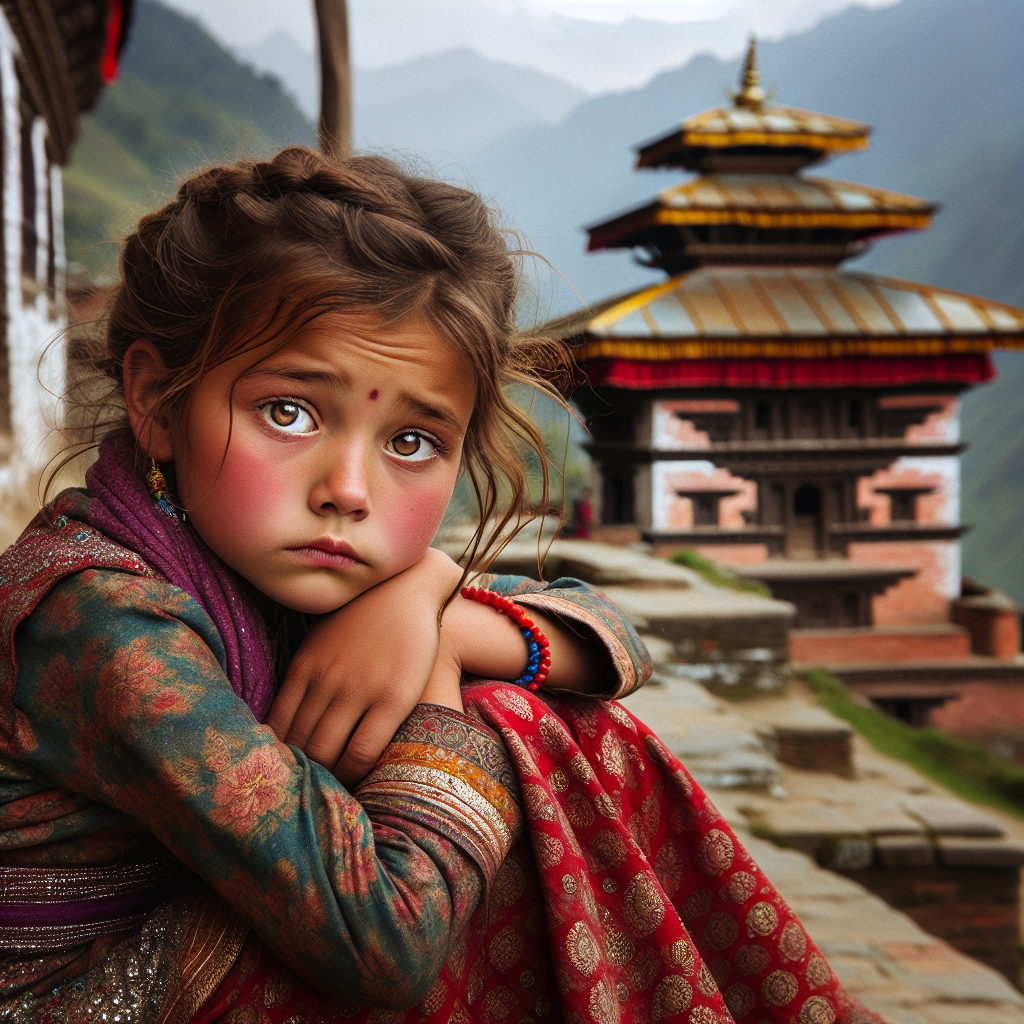
Breaking the Cycle: Ending Child Marriage in Nepal

Breaking the Cycle: Ending Child Marriage in Nepal

Child marriage in Nepal is a deeply rooted issue that continues to affect many young girls in the country. Despite efforts to combat this harmful practice, it remains prevalent in many communities, particularly in rural areas.

The legal age of marriage in Nepal is 20 for both men and women, however, child marriage is still common due to a variety of factors such as cultural beliefs, poverty, and lack of access to education. Girls are often married off at a young age, sometimes as early as 12 or 13, to ensure their economic security or to preserve family honor.

Child marriage has serious consequences for the girls involved. They are more likely to drop out of school, face health risks in pregnancy and childbirth, and experience domestic violence. These girls are also robbed of their childhoods and the opportunity to pursue their dreams and ambitions.

Efforts have been made to address child marriage in Nepal, including the National Strategy to End Child Marriage and Gender-Based Violence and the establishment of a legal helpline for reporting child marriage cases. Organizations such as UNICEF and various NGOs are working tirelessly to raise awareness about the harmful effects of child marriage and to provide support to girls at risk.

It is crucial for the government, civil society, and communities to come together to take a stand against child marriage. Education and economic empowerment for girls, as well as changing cultural attitudes towards gender and marriage, are key to ending this harmful practice. With concerted efforts and a collective commitment to protecting the rights of girls, child marriage in Nepal can be eradicated and young girls can be given the chance to fulfil their potential and lead fulfilling lives. To support the cause of child marriage, support the

Nada Foundation

Nada Alahdal A human rights activist to advocate for the issue of child marriage, and head of the

Nada Foundation

for the Protection of Girls https://nadaalahdal.com/2024/03/25/breaking-the-cycle-ending-child-marriage-in-nepal.html?feed_id=114&_unique_id=660164293f47a